
Have you ever thought about packing it in and living off grid? I have. And, the tiny house concept just may be the way to do it.
Ways to use your tiny house:
If you want to make a few extra bucks with Airbnb, but don’t want someone staying under your roof – a tiny house may be your answer.
A weekender. Good for traveling (you can set it up on a trailer) and park it in the mountains or the beach. As tiny houses become more fashionable and available, many places are popping up like KOAs.
Looking to retire cheaply. Tiny homes can cut the price down significantly if your household is small.

Tiny houses are becoming increasingly popular as a way to save money on housing and live a minimalist lifestyle. They offer a unique living experience and are often more affordable than traditional houses. In this blog post, I’ll explore the cost-effectiveness of tiny houses, how to buy one, how to set it up, and how to get the land to put it on.
Cost-Effectiveness of Tiny Houses
One of the main reasons people choose to live in tiny houses is that they are more cost-effective than traditional houses. The cost of building a tiny house can range from $10,000 to $50,000 depending on the size and materials used. This is significantly less expensive than the cost of building a traditional house, which can easily run into the hundreds of thousands of dollars.
In addition to the lower construction costs, tiny houses also have lower operating costs. They require less energy to heat and cool, and their smaller size means that they require less maintenance. Many tiny house owners also choose to live off-grid, which further reduces their monthly expenses.
Buying a Tiny House
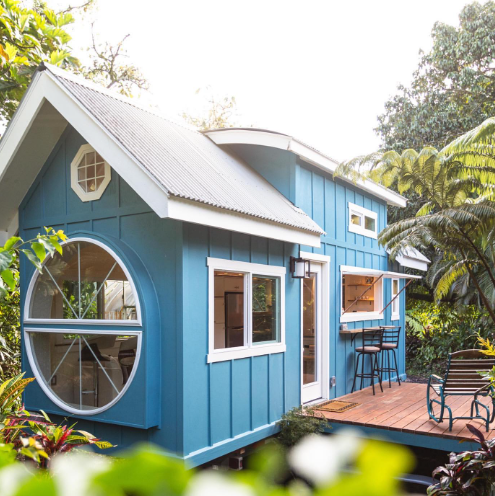
There are several ways to buy a tiny house. You can purchase a pre-built tiny house from a manufacturer, buy a tiny house kit and assemble it yourself, or build your own tiny house from scratch.
If you choose to buy a pre-built tiny house, there are several things to consider. Make sure the manufacturer is reputable and that the house meets your needs. Look for a house that has a solid foundation, good insulation, and quality materials.
Setting Up Your Tiny House
Setting up a tiny house can be a bit more complicated than setting up a traditional house. You’ll need to install utilities such as water, electricity, and sewage, which may require specialized equipment and permits. You’ll also need to plan for storage and organization, as space is at a premium in a tiny house.
Before you set up your tiny house, make sure you have a clear plan for where it will be located. Some cities have zoning laws that restrict the placement of tiny houses, so be sure to do your research before you start building.
Getting Land for Your Tiny House
One of the biggest challenges of living in a tiny house is finding a place to park it. You can’t just park your tiny house anywhere – you’ll need to find a piece of land that allows for tiny house living.
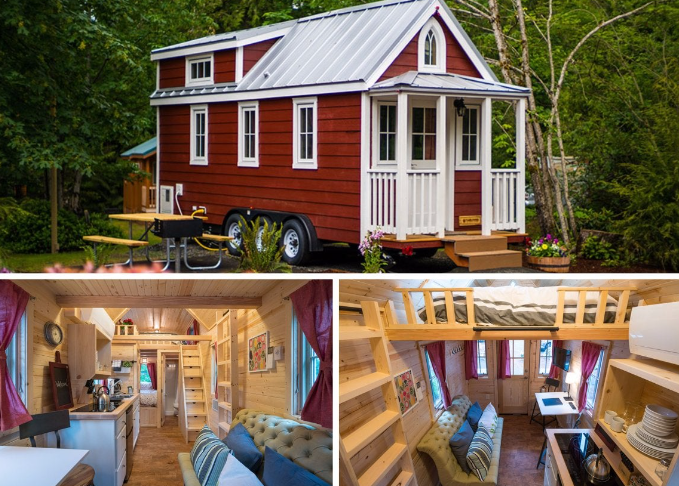
One option is to purchase your own land. This can be expensive, but it gives you more control over where you live and how you set up your tiny house. Another option is to rent a spot in a tiny house community. These communities are becoming more popular, and they often provide utilities and other amenities.
Tiny houses are a cost-effective and unique way to live. If you’re interested in buying or building a tiny house, be sure to do your research and plan carefully. With the right preparation and planning, you can enjoy all the benefits of tiny house living.
 Geo Fish