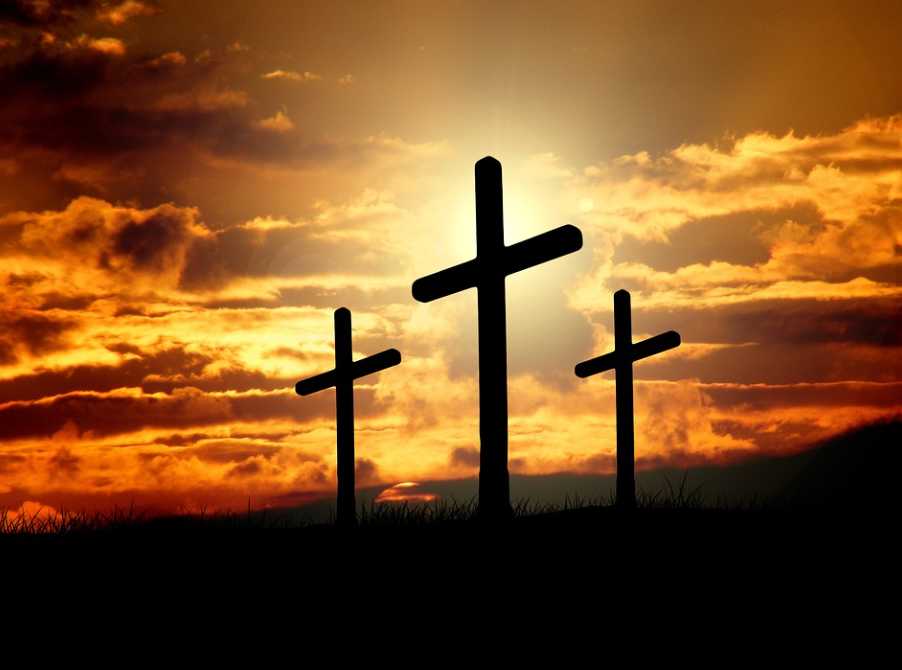
Easter is one of the most important Christian holidays, celebrated annually on the Sunday following the first full moon after the vernal equinox. It commemorates the resurrection of Jesus Christ, who according to Christian belief, died on the cross to save humanity from sin.
The story of Easter begins with the Last Supper, a Passover meal that Jesus shared with his disciples in Jerusalem. During this meal, Jesus predicted that one of his disciples, Judas Iscariot, would betray him. After the meal, Jesus went to the Garden of Gethsemane to pray, and it was there that he was betrayed by Judas and arrested by the Jewish authorities.
Jesus was brought before Pontius Pilate, the Roman governor of Judea, who found him guilty of sedition and sentenced him to death by crucifixion. Jesus was taken to Golgotha, where he was nailed to a cross and left to die. He died after several hours of agony, and his body was taken down from the cross and buried in a nearby tomb.
On the third day after his crucifixion, which is now celebrated as Easter Sunday, Jesus’ tomb was found to be empty. According to Christian belief, Jesus had risen from the dead and appeared to his disciples, telling them that he had conquered death and would return to heaven. This event is known as the Resurrection, and it is the central belief of the Christian faith.
Why the first Easter and the first celebration of Easter are two different things.
The first Easter took place over 2,000 years ago, and it is described in the Bible as the resurrection of Jesus Christ from the dead. According to the Christian faith, Jesus was crucified and died on a Friday, which is now known as Good Friday. His body was placed in a tomb, which was sealed with a large stone.
On the third day after his death, which is now celebrated as Easter Sunday, Jesus rose from the dead. Mary Magdalene and other women went to the tomb and found that the stone had been rolled away and that the tomb was empty. An angel appeared to them and told them that Jesus had risen from the dead.
After his resurrection, Jesus appeared to his disciples and other followers on several occasions, showing them that he was alive and teaching them about the Kingdom of God. His resurrection is seen as a sign of hope and new life, and it is the central event of the Christian faith.
While there is no detailed historical account of the first Easter, the story of Jesus’ resurrection has been passed down through the generations through the Bible and other religious texts. Today, Easter is celebrated by Christians around the world as a time of renewal, new life, and hope.
The story of Easter represents hope and renewal, and it is celebrated by Christians around the world through various traditions and practices. These may include attending church services, exchanging Easter eggs and gifts, and participating in Easter parades and other festive events.
The first celebration of Easter, as we know it today, took place several centuries after the events described in the Bible. The early Christian church did not initially celebrate Easter as a separate holiday, but rather as a part of the Jewish festival of Passover. However, as the Christian faith spread throughout the Roman Empire, Easter began to take on a more distinct identity.
The exact origins of the modern Easter celebration are unclear, but it is likely that it evolved from a combination of Christian and pagan traditions. Some historians believe that the name “Easter” comes from the Anglo-Saxon goddess Eostre, who was associated with spring and fertility.
In the early centuries of Christianity, Easter was celebrated with a vigil on the night before Easter Sunday, during which new converts were baptized and welcomed into the church. The celebration of Easter Sunday itself was marked by the singing of hymns, the reading of scripture, and the sharing of a communal meal.
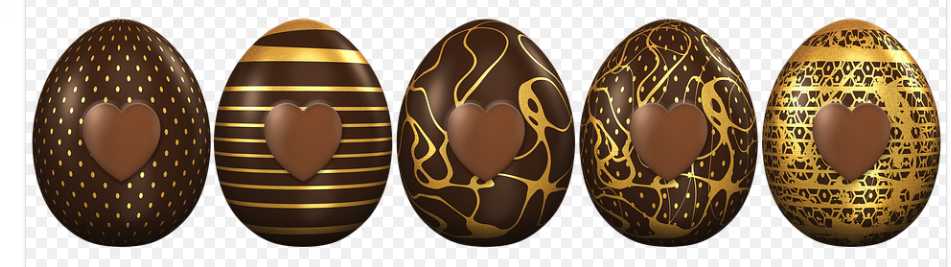
Over time, Easter became an increasingly important holiday in the Christian calendar, and it was marked by a variety of traditions and practices. In medieval Europe, for example, it was customary to decorate eggs with intricate designs and give them as gifts to friends and family. This tradition is believed to have evolved into the modern-day custom of Easter egg hunts.
In addition to the basic story of Easter, there are many additional traditions and practices that are associated with the holiday.
One of the most well-known Easter traditions is the Easter egg. The egg has long been a symbol of new life and rebirth, making it an appropriate symbol for Easter. In many cultures, it is customary to decorate eggs with bright colors and patterns, often using natural dyes made from plants and vegetables. In some places, eggs are hidden and children are encouraged to search for them as part of an Easter egg hunt.
Another common Easter tradition is the Easter bunny. The origins of this tradition are unclear, but it is thought to have originated in Germany in the 16th century. The Easter bunny is a symbol of fertility and is said to bring Easter eggs to children on the night before Easter Sunday.
Easter is also associated with a variety of foods and dishes. In many cultures, it is customary to prepare special meals for Easter, often featuring lamb, ham, or other traditional dishes. In some places, hot cross buns are a popular Easter food, which are sweet buns marked with a cross on top.
Easter is a significant holiday in many parts of the world, and it is celebrated in different ways by different cultures. While the basic story of Easter remains the same, the traditions and practices associated with the holiday can vary widely depending on where it is celebrated.
In addition to the religious significance of Easter, it also holds cultural and historical importance. For example, in many parts of Europe, Easter is a celebration of the arrival of spring and the end of winter. Many Easter traditions are related to this theme of rebirth and renewal.
In some cultures, Easter is celebrated for an entire week, known as Holy Week or Passion Week. This week includes various religious observances, such as Palm Sunday, which commemorates Jesus’ entry into Jerusalem; Maundy Thursday, which marks the Last Supper; and Good Friday, which is the day of Jesus’ crucifixion.
Easter is also an important holiday for many businesses, particularly those in the candy and chocolate industries. In the United States, Easter is the second-largest candy-selling holiday after Halloween, and chocolate Easter eggs are a popular treat in many countries.

Overall, Easter is a holiday with deep religious roots that has evolved over time to include a wide range of cultural and commercial traditions. While the specific practices and observances associated with Easter may differ depending on where it is celebrated, the holiday remains an important occasion for many people around the world.
Easter is celebrated differently in different parts of the world. For example, in Spain, Holy Week (Semana Santa) is celebrated with elaborate processions, featuring huge floats depicting scenes from the Bible, and people dressed in robes and hoods.
In Greece, Easter is the most important holiday of the year, and it is celebrated with a variety of traditions and practices. On Holy Saturday, people gather in the streets to light candles from the Holy Fire, which is brought from Jerusalem. The following day, Easter Sunday, is celebrated with a feast of lamb, red eggs, and other traditional dishes.

In Russia, Orthodox Easter is celebrated according to the Julian calendar, which is 13 days behind the Gregorian calendar used in Western countries. Russian Easter traditions include painting eggs with intricate designs, and preparing special Easter bread known as kulich.
In many Latin American countries, Easter is a time for celebrating with family and friends. In Brazil, for example, people celebrate with a traditional feast of roast lamb, while in Mexico, there are colorful parades and processions featuring decorated floats and people in costume.
Easter is celebrated in different ways around the world, with a variety of traditions and practices that reflect the cultural and religious beliefs of different communities. Despite these differences, however, the holiday remains a symbol of hope and renewal, and a time for coming together with family and loved ones.
So, the first celebration of Easter was likely a simple commemoration of the resurrection of Jesus within the context of the Jewish festival of Passover. Over time, it evolved into a distinct holiday with a variety of traditions and practices that reflect both Christian and pagan influences. Today, Easter is celebrated by Christians around the world as a time of renewal, hope, and new life.
 Geo Fish