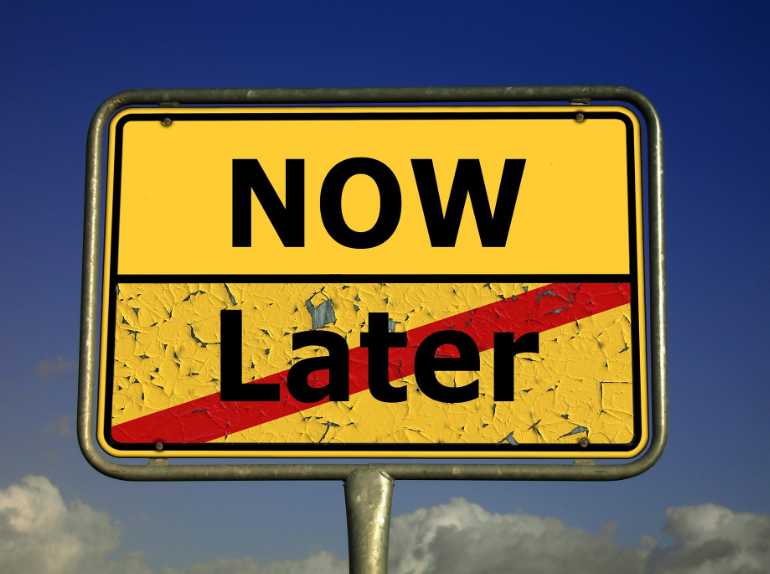
Procrastination is a common problem for many writers. It can be tempting to put off writing and engage in other activities instead, such as checking email, browsing social media, or doing household chores. However, procrastination can lead to missed deadlines, lower quality work, and increased stress and anxiety. Here are some details on procrastination for writers:
- Reasons for procrastination: Procrastination can be caused by a variety of factors, including fear of failure, lack of motivation, feeling overwhelmed, or simply not enjoying the writing process. Some writers may also procrastinate due to perfectionism, where they feel that their work must be perfect before they can begin writing.
- Negative effects of procrastination: Procrastination can lead to missed deadlines, lower quality work, and increased stress and anxiety. It can also create a cycle of guilt and shame, where writers feel bad about not writing and then avoid the task even more.
- Strategies to overcome procrastination: There are several strategies that writers can use to overcome procrastination, such as breaking tasks into smaller, more manageable pieces, setting realistic goals and deadlines, using productivity tools like timers or writing apps, and creating a distraction-free environment. It can also be helpful to identify the underlying causes of procrastination and address them directly, such as practicing self-compassion, building motivation through rewards or positive self-talk, or seeking support from a writing group or coach.
- Tips for avoiding procrastination: To avoid procrastination, writers can establish a regular writing routine, eliminate distractions, prioritize writing tasks, and set clear goals and deadlines. It can also be helpful to take breaks and engage in activities that promote creativity and relaxation, such as meditation, exercise, or spending time in nature.
Overall, procrastination can be a significant barrier to writing productivity and success. By understanding the reasons for procrastination and implementing strategies to overcome it, writers can improve their writing habits and achieve their goals.

Dealing with procrastination can be a challenging task, but here are three effective ways to overcome it:
- Break down tasks into smaller pieces: Procrastination often happens when a writing project feels overwhelming or intimidating. Breaking down the task into smaller, more manageable pieces can make it feel less daunting and easier to get started. For example, a writer could start with a rough outline, then focus on writing just one paragraph or page at a time.
- Set realistic goals and deadlines: Setting specific and achievable goals can help writers stay motivated and on track. Rather than setting a goal to “finish a novel,” a writer could set a goal to write for 30 minutes each day or complete a certain number of pages each week. Deadlines can also be helpful in providing structure and accountability, but they should be realistic and flexible.
- Eliminate distractions: Distractions can derail writing productivity and lead to procrastination. Creating a distraction-free environment can help writers stay focused and engaged. This could involve turning off notifications on electronic devices, finding a quiet workspace, or using tools like website blockers to limit access to distracting websites.
These are just a few strategies for dealing with procrastination. It’s important for writers to experiment and find what works best for them. Other strategies may include seeking support from a writing group or coach, practicing self-compassion, and building motivation through rewards or positive self-talk. Ultimately, the key is to identify the underlying causes of procrastination and address them directly.
Here are five YouTube videos that provide helpful tips and strategies for dealing with procrastination:

- “How to Beat Procrastination” by Matt D’Avella: This video provides practical tips and strategies for overcoming procrastination, including creating a to-do list, breaking down tasks, and using the Pomodoro technique.
Link: https://www.youtube.com/watch?v=arj7oStGLkU
- “How to Stop Procrastinating & Get Work Done | Productivity Tips & Hacks” by Lavendaire: In this video, the host shares her personal journey with procrastination and offers tips for setting goals, staying motivated, and minimizing distractions.
Link: https://www.youtube.com/watch?v=V7WFuNfRO9c
- “The Science of Procrastination – And How To Manage It” by AsapSCIENCE: This video explores the scientific reasons behind procrastination and offers evidence-based strategies for overcoming it, such as visualization and rewarding progress.
Link: https://www.youtube.com/watch?v=arj7oStGLkU
- “How to Overcome Procrastination: A Practical Guide” by The School of Life: This video offers a philosophical approach to procrastination, exploring the emotional and psychological factors that contribute to it and offering strategies for cultivating motivation and self-discipline.
Link: https://www.youtube.com/watch?v=arj7oStGLkU
- “How to Stop Procrastinating and Start Writing” by Ellen Brock: This video is specifically geared towards writers, offering tips for overcoming writer’s block and procrastination in the writing process.
Link: https://www.youtube.com/watch?v=-NWUXS1L-5k
These videos offer a range of perspectives and strategies for dealing with procrastination, and can be a helpful resource for writers looking to improve their productivity and focus.

Here are five highly rated Amazon books on dealing with procrastination:
- “The Now Habit: A Strategic Program for Overcoming Procrastination and Enjoying Guilt-Free Play” by Neil Fiore: This book provides a comprehensive approach to overcoming procrastination, including strategies for setting realistic goals, managing time effectively, and reducing anxiety and self-doubt.
Link: https://www.amazon.com/Now-Habit-Overcoming-Procrastination-Guilt-Free-ebook/dp/B00DHKWTM0/
- “Atomic Habits: An Easy & Proven Way to Build Good Habits & Break Bad Ones” by James Clear: While not specifically focused on procrastination, this book offers a powerful framework for building positive habits and breaking negative ones, which can be useful in overcoming procrastination.
Link: https://www.amazon.com/Atomic-Habits-Proven-Build-Break/dp/0735211299/
- “The Procrastination Equation: How to Stop Putting Things Off and Start Getting Stuff Done” by Piers Steel: Drawing on research from psychology, economics, and neuroscience, this book provides a deep dive into the science of procrastination and offers practical strategies for overcoming it.
Link: https://www.amazon.com/Procrastination-Equation-Putting-Things-Getting-ebook/dp/B004J4WJ8C/
- “Eat That Frog!: 21 Great Ways to Stop Procrastinating and Get More Done in Less Time” by Brian Tracy: This book offers a no-nonsense approach to overcoming procrastination, providing 21 actionable strategies for increasing productivity and focus.
Link: https://www.amazon.com/Eat-That-Frog-Great-Procrastinating-ebook/dp/B00J6Y46FE/
- “Solving the Procrastination Puzzle: A Concise Guide to Strategies for Change” by Timothy A. Pychyl: This book takes a practical and compassionate approach to overcoming procrastination, providing readers with simple yet effective strategies for breaking the cycle of procrastination and building positive habits.
Link: https://www.amazon.com/Solving-Procrastination-Puzzle-Concise-Strategies-ebook/dp/B008KPFOZ4/
 Geo Fish